 Lens Cap Labs
Lens Cap Labs
Photos you
never took.
A roll of film held thirty-six exposures. Frame thirty-seven is the one you did not get: the light that had already gone, the day you left the camera at home, the face you wish you had turned toward a little sooner.
Join the waitlistLocal AI
The computer on your desk is enough.
No queue, no quota, no upload. The model runs where the pictures are, and it works when the network does not.
Read morePrivacy
Some pictures are not for a machine you have never met.
Your library is not training data for someone else. Nothing leaves, and what is made is marked as made.
Read morePersonalization
Not the average of everyone. You.
Ten thousand of your own decisions are a better teacher than the internet. Software should learn from them.
Read moreOwnership
A tool you own, not one you rent.
It lives on your disk, works without permission, and answers to no meter. Make a thousand, keep one, and never ask anyone.
Read moreShow, don't tell
A picture is worth a thousand words. Do you really want to type a thousand of them?
That is what generating an image has come to mean: a paragraph of adjectives, a wait, a result that is almost right, and another paragraph to fix the part that was not. You type and hope. Then you type again.
A photograph should not be argued into existence. Put the pieces where they belong. Paint over what should change and leave alone what was right. Slide until it looks like what you meant. The picture is the instruction, and the frustration goes away, because you are no longer describing what you want. You are doing it.

I
Fixing is the first thing. Making is the second.
Once something has learned your way of seeing, it can do the ordinary work the way you would: straighten the horizon you would have straightened, warm the skin you would have warmed, leave alone what you would have left alone.
And it can go one step further. It can make the picture that was not taken, of people and places it knows, in light you have shot a hundred times. Not an image of someone. An image of them, the way you see them.
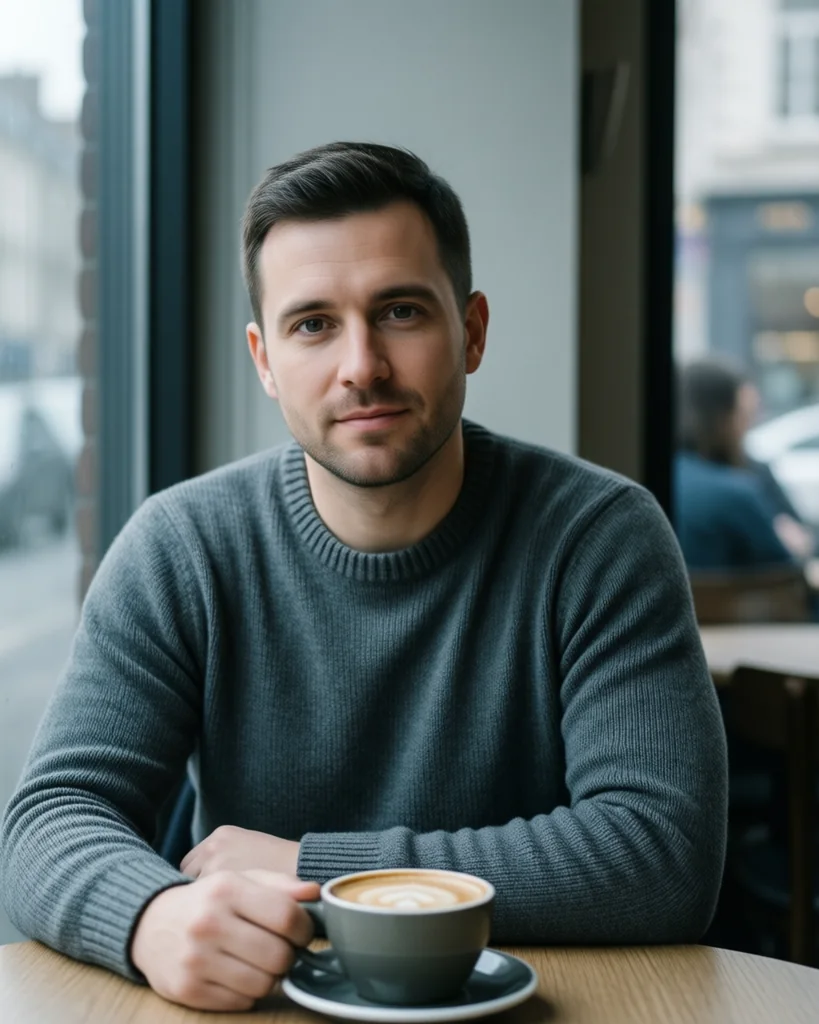
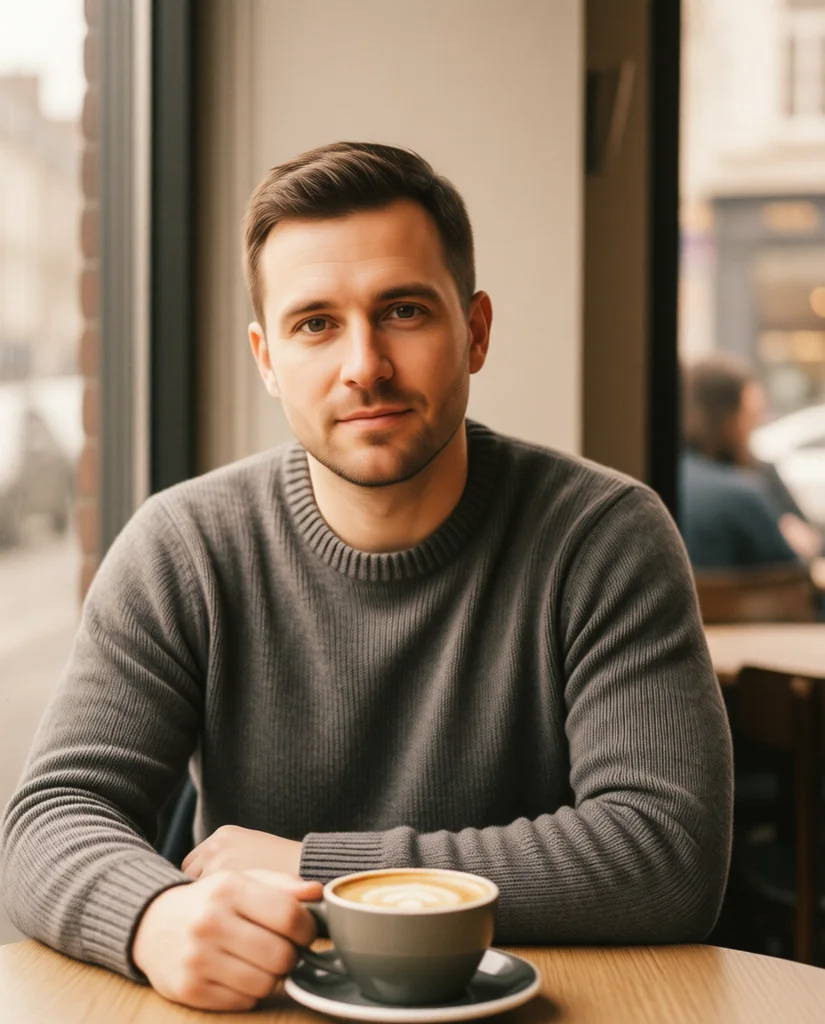
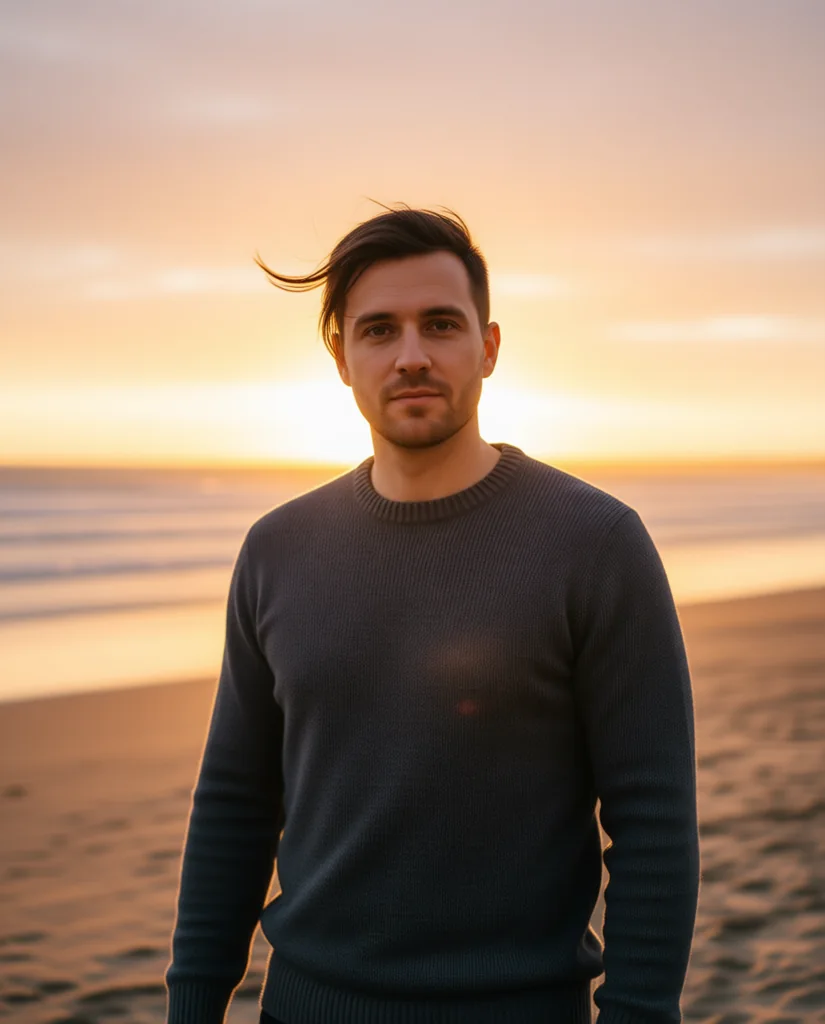
II
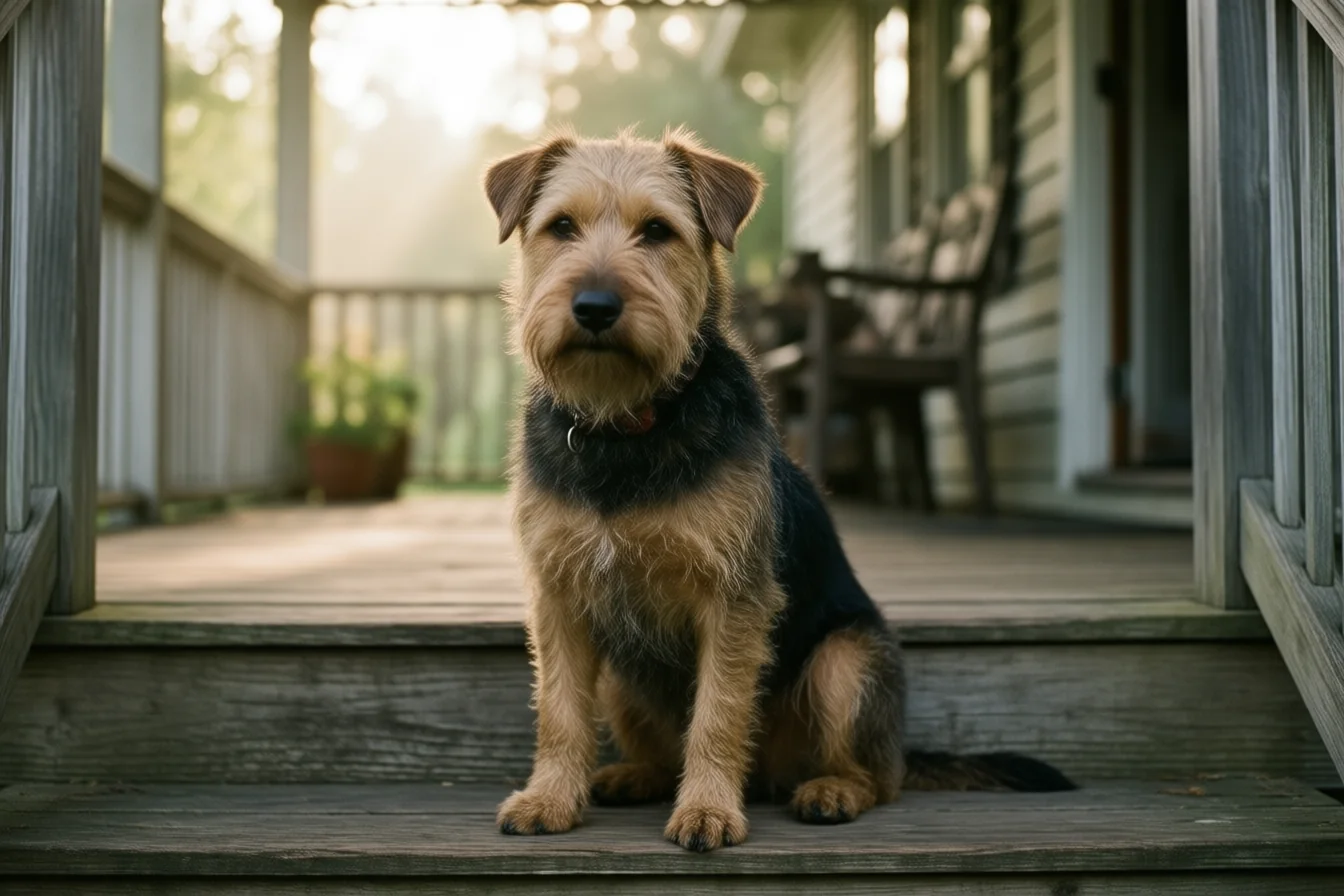
Keep the subject. Change everything else.
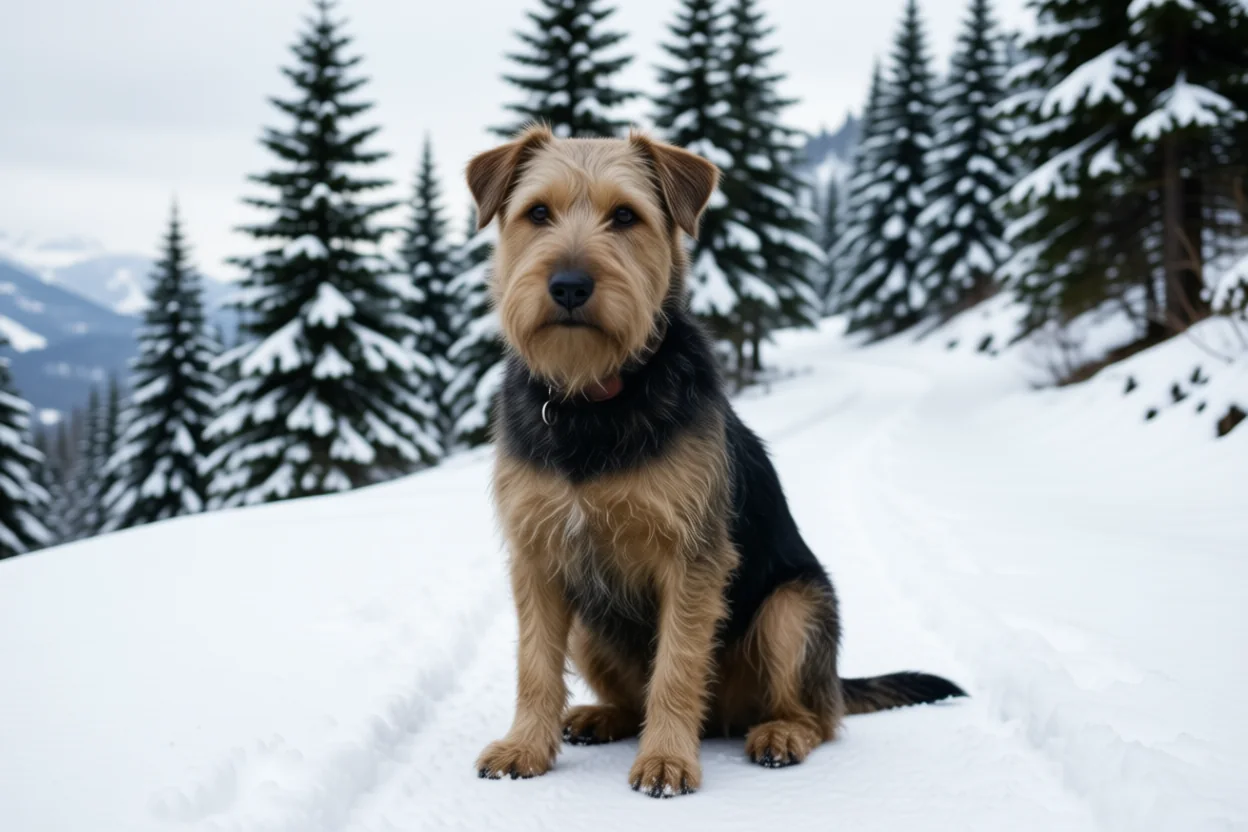
A good photograph is mostly about what you refuse to change. The dog stays the dog: the tilt of the head, the wiry coat, the way he sits. The porch can become a mountain in snow, and nothing that mattered is lost.
III
Things have a style too.
A potter photographs the same forms every season. A shop shoots the same shelf every week. The look is already settled, the light is already chosen, and the only question is whether the next hundred pictures will match the last hundred without a hundred hours of work.


IV
Nothing leaves.
The pictures of your children, your clients, your home and your work are not training data for someone else's model. They are not uploaded to be studied. They stay on the machine they are on, and everything that learns from them learns there, where you can see it, keep it, or delete it.
What is made is marked as made. A photograph you took and a photograph you did not should never be confused, by you or by anyone, and nothing generated is ever learned from.

The app
Frame37
Frame37 is the first thing we are making. It is a local AI photo app for Mac, for your own library: a place to look at what you have, a way to fix it as you would have, and a way to make the frames you missed. It learns on your computer and runs on your computer.
We are building it with the people who will use it, and we would rather show it than describe it. Leave an address and we will tell you when there is something to see.
Be the first to know.
Only news about Frame37. No sharing your address. Unsubscribe any time.
About
Lens Cap Labs

Lens Cap Labs is a small company in Plano, Texas, founded in 2026 by Dr. Suraj Raghuraman. Suraj previously built and led the AI engine team at Topaz Labs, where he was responsible for the on-device inference engine behind its products and the company's partnerships across GPU and silicon vendors. He holds a PhD in computer science from the University of Texas at Dallas.
The name is the thing you take off before the picture.